
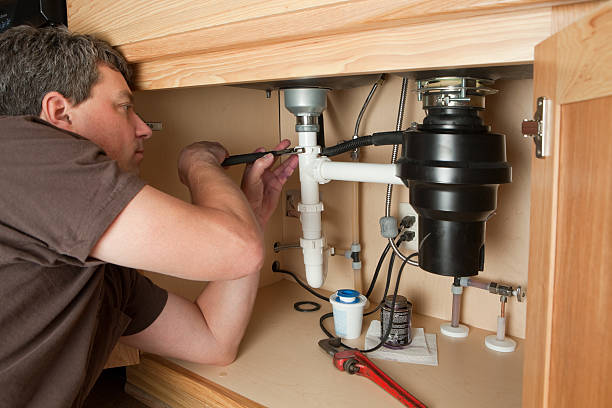
Learning how to fix a garbage disposal can save you a $150 plumber call in about 10 minutes. Most disposal problems come down to one of three things — and none of them require any plumbing experience to fix.
Why It Stopped Working
Garbage disposals have two built-in safety features that shut them down automatically: a reset button that trips when the motor overloads, and a jam protection system that stops the blades when something gets stuck. Most “broken” disposals are just tripped or jammed.
What You’ll Need
A disposal wrench or 1/4 inch Allen wrench, a flashlight, and tongs or pliers. Never put your hand inside a disposal even when it’s off.
Fix 1 — Press the Reset Button
Look underneath the disposal unit for a small red or black button. If it’s popped out, the motor overloaded and tripped. Press it firmly until you feel it click in, then try running the disposal again. This fixes the problem about half the time.
Fix 2 — Clear a Jam
If the disposal hums but doesn’t spin, it’s jammed. Turn it off at the switch and unplug it under the sink. Insert a disposal wrench or Allen wrench into the hole at the bottom center of the unit and crank it back and forth to manually free the stuck blades. Once it moves freely, plug it back in, press the reset button, and test it.
Fix 3 — Clear the Drain
If the disposal runs but water backs up, the drain line is clogged rather than the disposal itself. Use a sink plunger directly over the drain opening, or disconnect the drain line under the sink and clear the blockage manually.
What Not to Put In
Grease, coffee grounds, eggshells, fibrous vegetables like celery, and large bones are the most common causes of jams and clogs. Keeping these out prevents most disposal problems in the first place.
When to Replace It
If the disposal leaks from the bottom, makes a loud grinding noise even when empty, or trips the reset repeatedly, it’s likely at end of life. A basic replacement disposal runs $80-150 and installs in about an hour following the same wiring as the old unit.
Just moved into a new home? Check out our guide on what to do when you move into a new house.
Disclosure: This post contains affiliate links. If you click and make a purchase, FourByFourDIY earns a small commission at no extra cost to you.


Leave a Reply